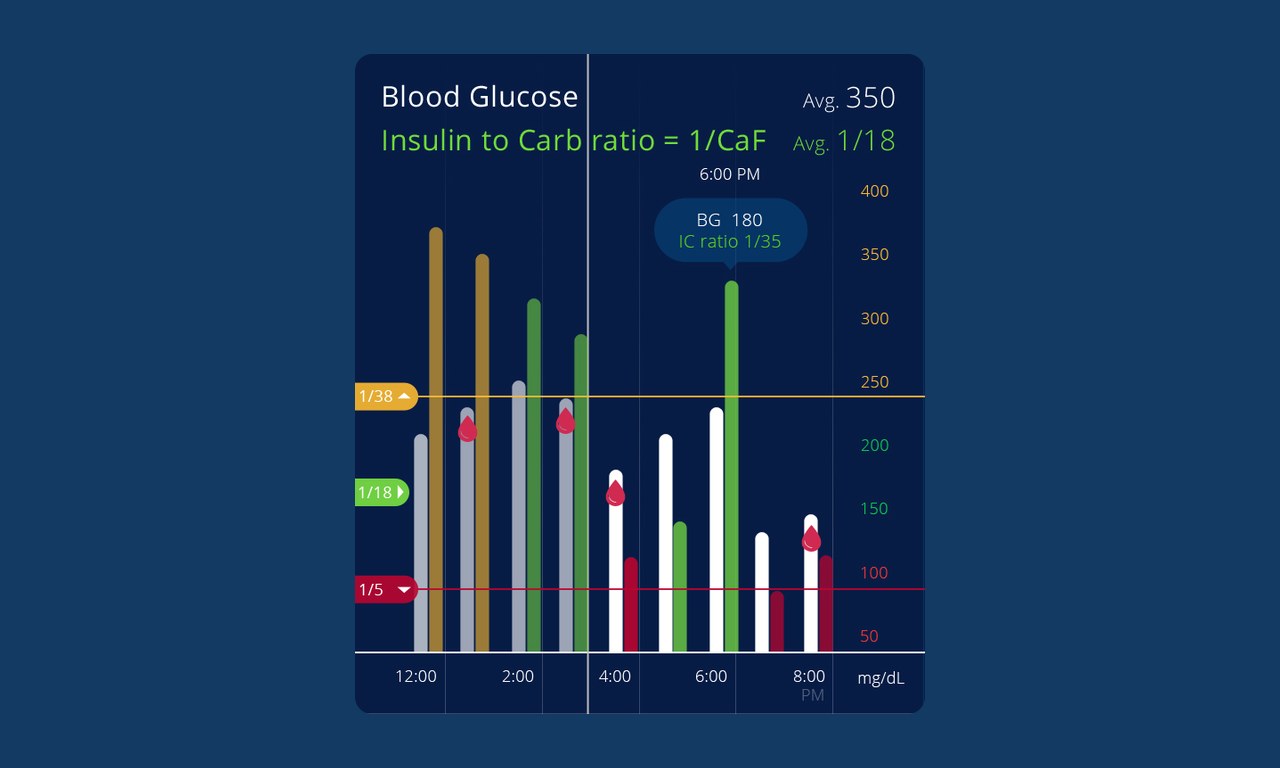
For someone with Type 1 diabetes, a 20-minute run is a calculation. Insulin still active in the body, carbs eaten, current blood glucose and planned effort all decide whether exercise is safe or ends in a hypo.
That data lived in separate places: a meter, an insulin log, a food diary, a running app. Nothing brought it together at the moment someone was lacing up, and behind every simple answer sat a lot of calculation that the person should never have to see.
Could four streams of medical data become one answer that someone reads at a glance: go now, eat first, or wait?
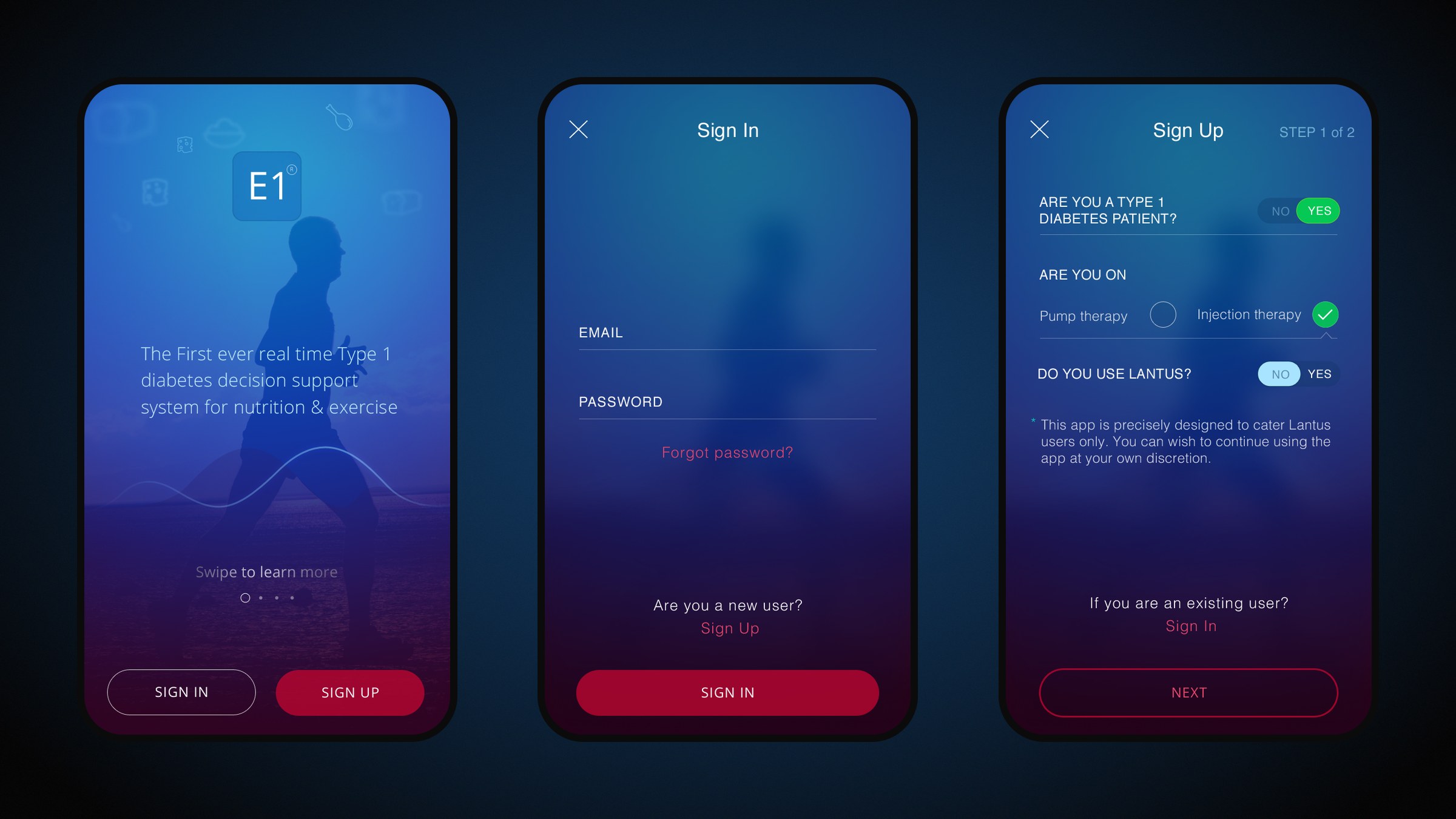
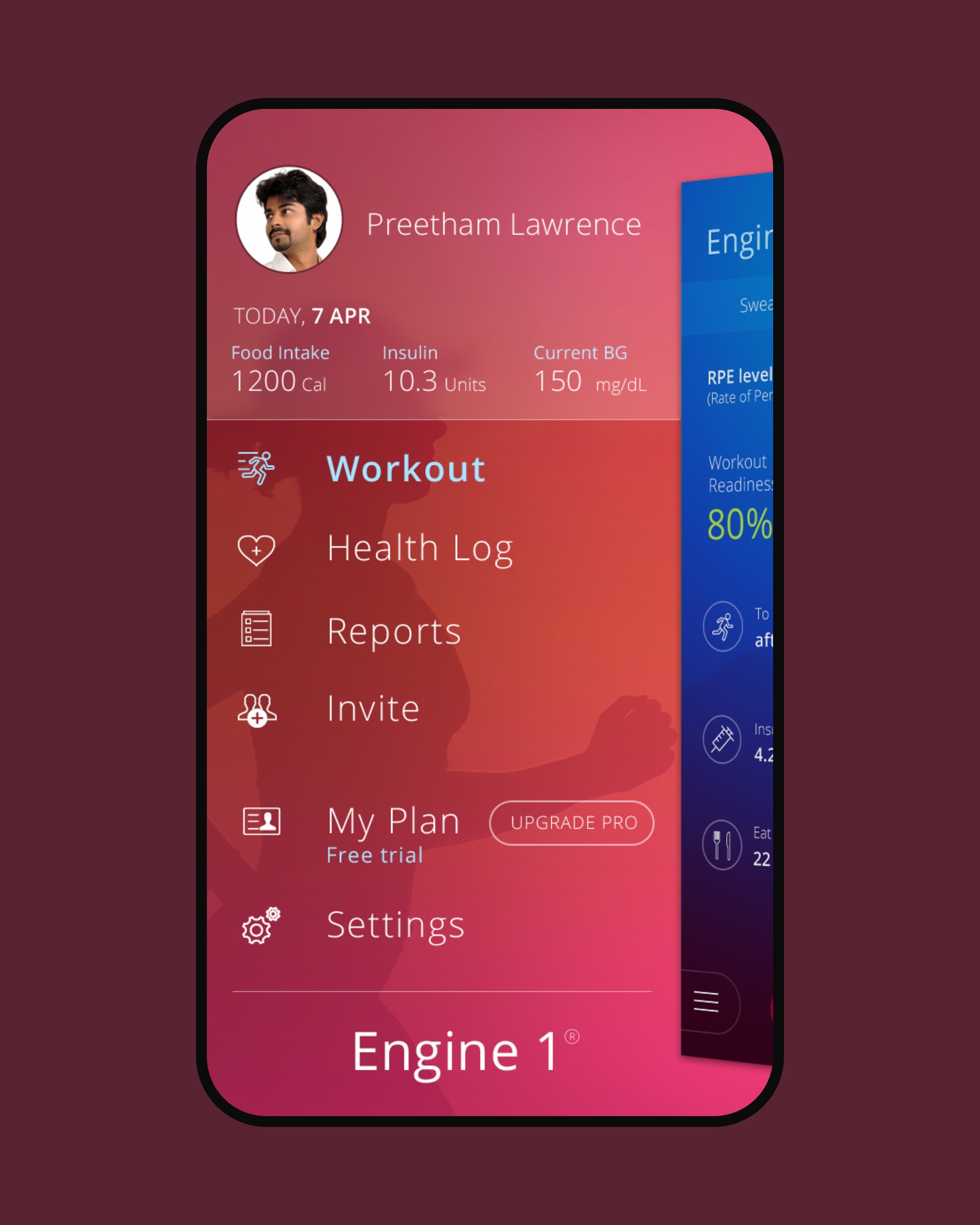
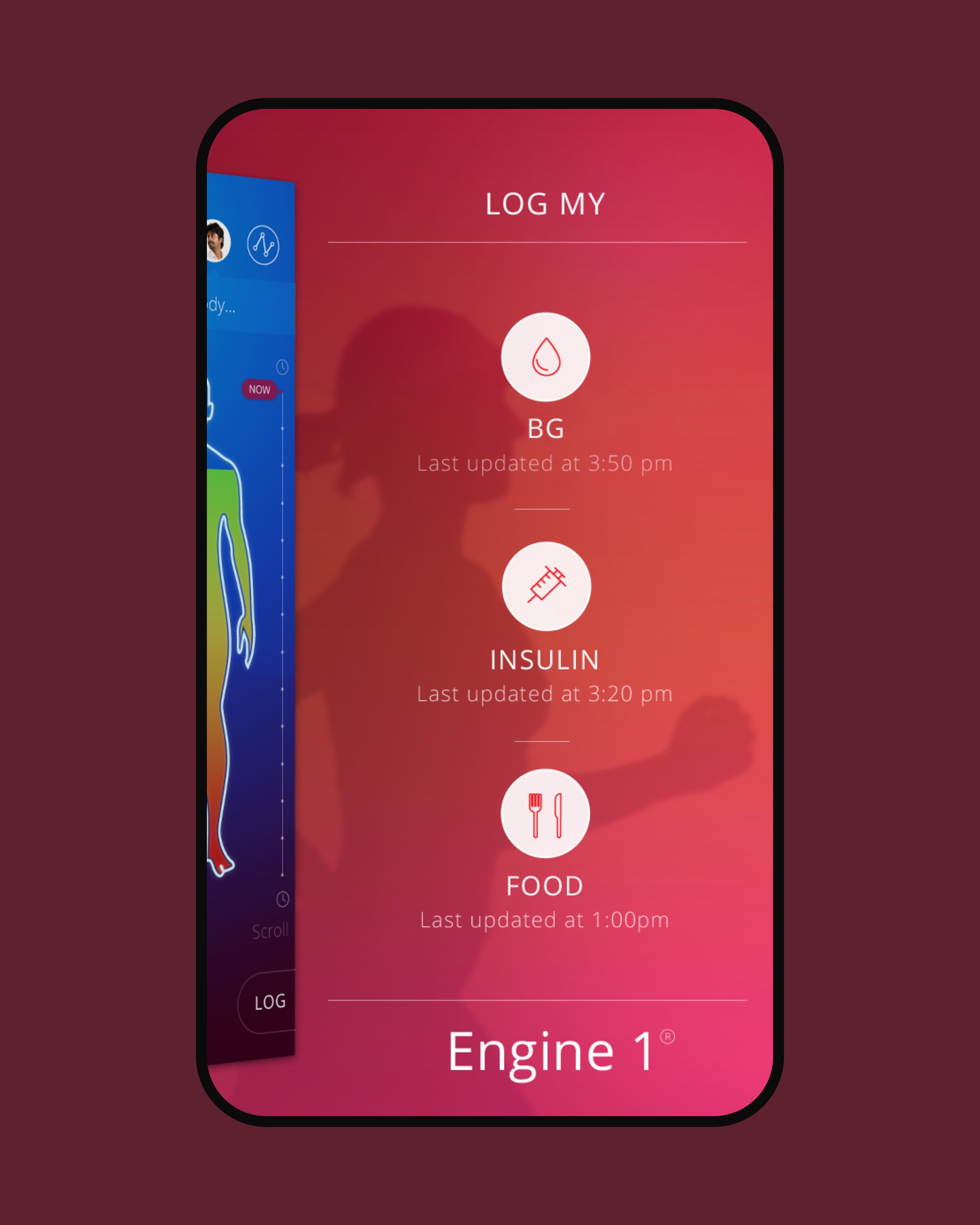
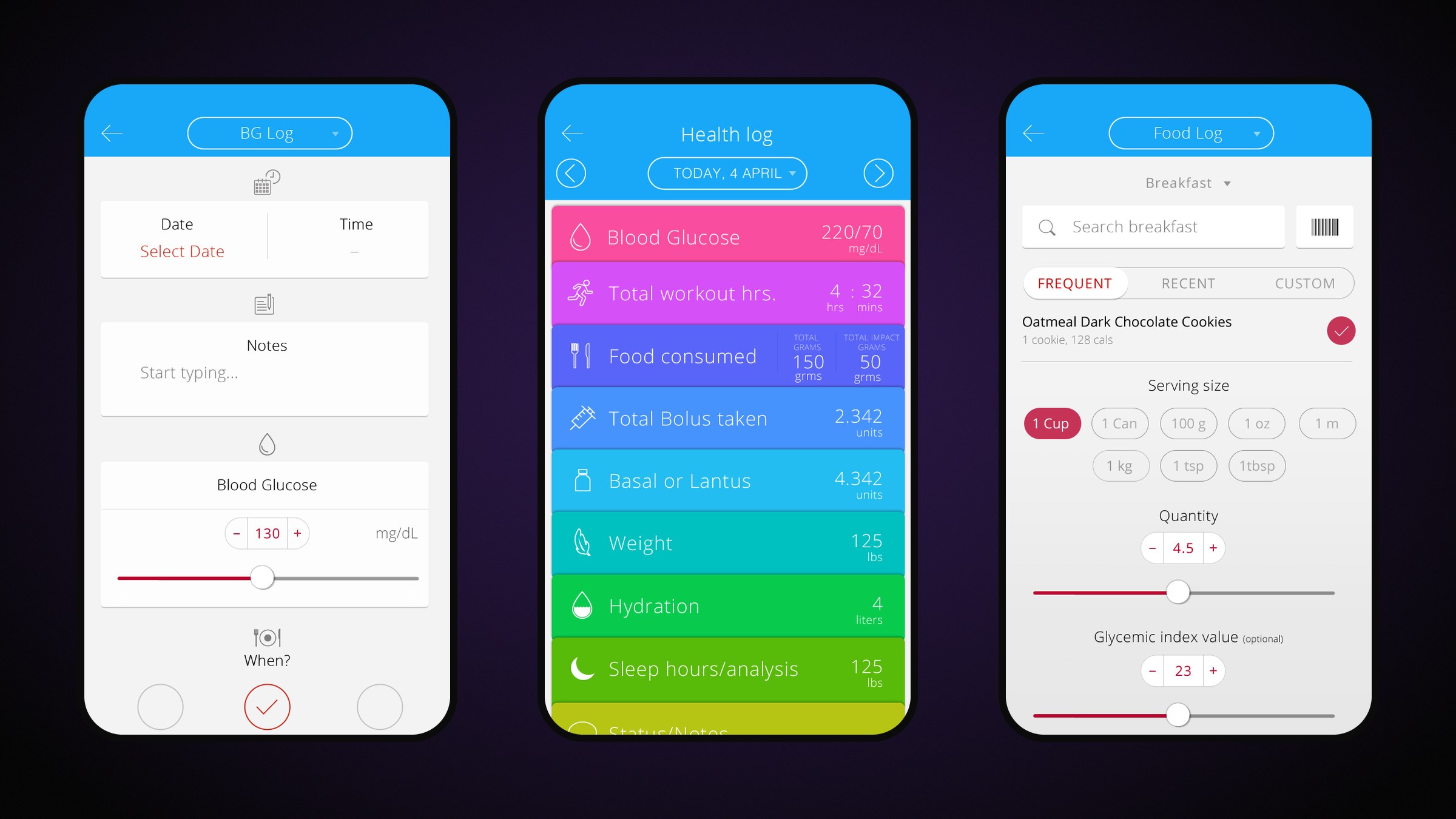
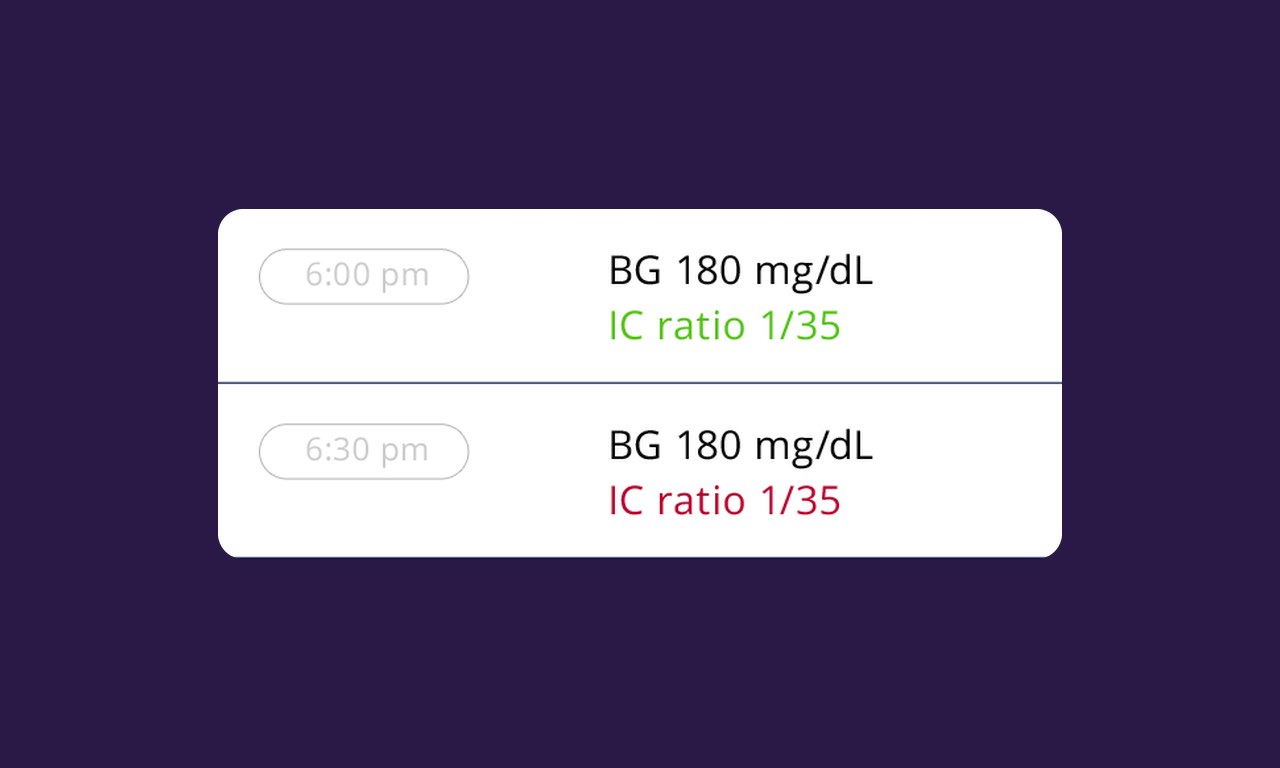
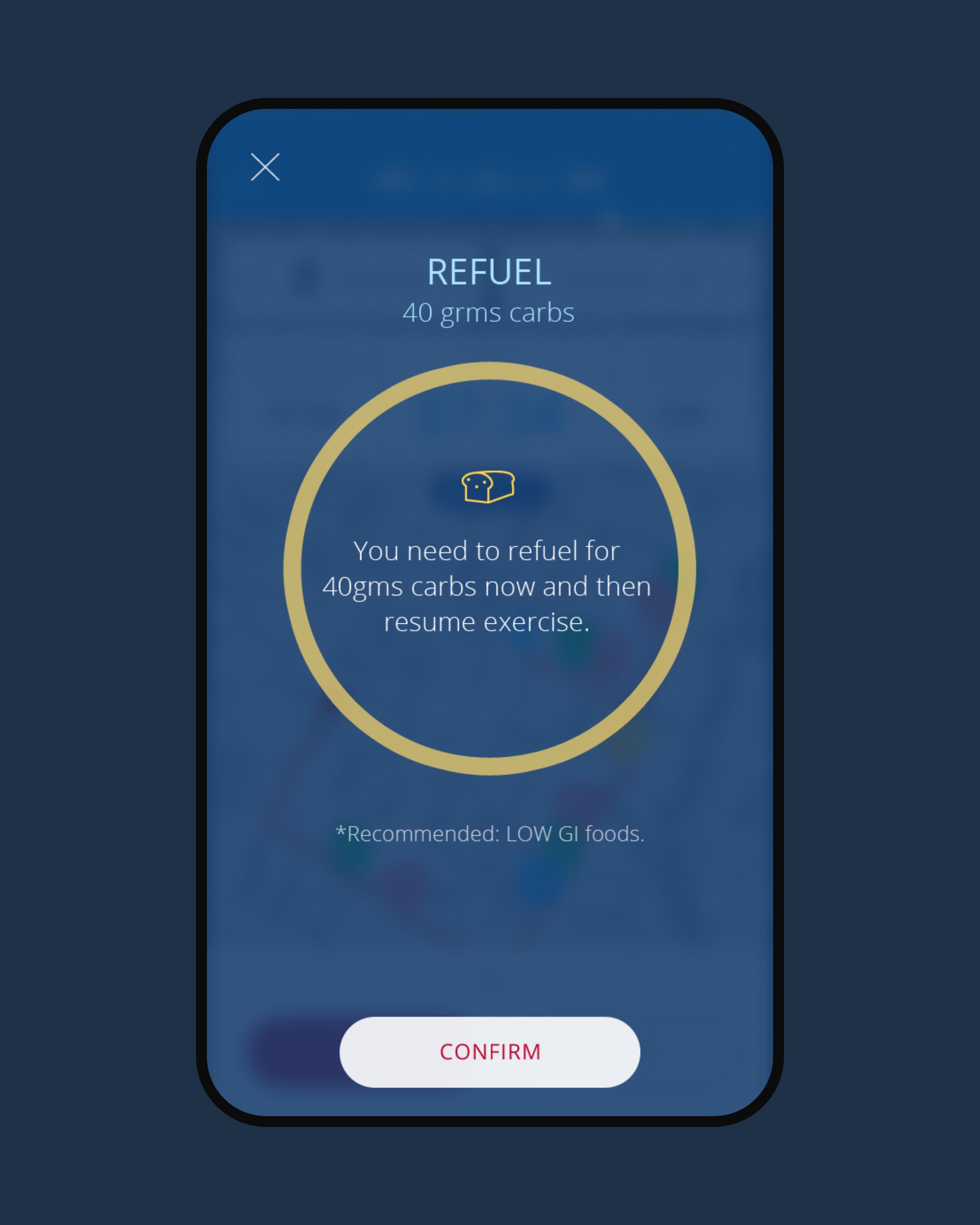
I put the decision first. The home screen leads with a plain verdict, such as "Good time" or "Not recommended", above one scrolling timeline of insulin on board, food to eat and food to carry. Everyday objects carry the data: a traffic signal for the insulin-to-carb ratio, a bottle for hydration, a rack of cards for the health log. Logging, trendlines and a live run tracker that prompts refuelling sit behind it.
Lead product designer. Brought in by Boston Technology Corporation to design the Engine 1 iOS app end to end. That covered the concept and interaction model, onboarding, the workout-readiness home screen, health logging, trendlines, the live run tracker and settings.